Responsible travel begins with ordinary choices
A trip does not become responsible because it includes one beach cleanup or a photograph with a nonprofit. The larger impact comes from the repeated decisions that shape a stay: where money is spent, how much water and single-use material is consumed, whether local rules are respected and how residents are treated when they are not performing hospitality.
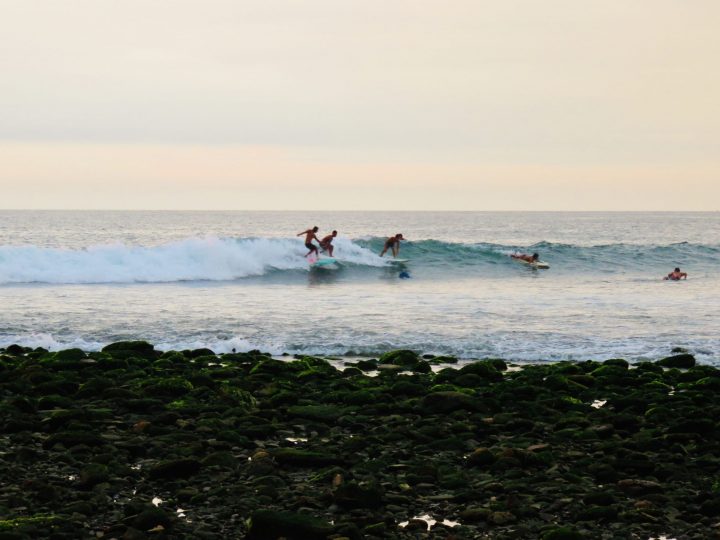
Máncora is both a destination and a working town. The beach, fishing activity, neighborhoods, roads and public services belong to daily life before they belong to a visitor's itinerary.
Use water and energy as if supply matters
Ask an accommodation how water is supplied and what conservation practices it expects guests to follow. Shorter showers, reporting leaks and reusing towels are basic steps. Air-conditioning should not run against open doors. If a property uses backup power, stored water or septic systems, guest behavior can directly affect how reliably those systems work.
Do not assume an environmental claim is meaningful because it uses words such as eco or sustainable. Look for a specific practice, a responsible operator and an explanation of limitations.
Reduce waste before it reaches the beach
Carry a refillable bottle when safe refill water is available, decline disposable cutlery and consolidate purchases instead of collecting a new plastic bag at every stop. Keep cigarette waste and small plastic items contained; they are among the easiest things to lose in sand and wind.
A cleanup can be valuable when a local group has defined the location, disposal plan and safety method. Picking up waste for a photograph without knowing where it goes can move the problem rather than solve it.
- Bring a bottle, tote and small container for take-away food.
- Ask before sorting waste; local collection rules may differ from what you expect.
- Never leave glass, fishing line or cigarette waste on the sand.
- Report wildlife in distress to a qualified local or official operator rather than intervening for content.
Volunteer with accountability
Choose a program with a named local operator, clear safeguarding rules, a defined need and a realistic role for short-term visitors. Never seek unsupervised contact with children, publish identifying images without permission or promise money and resources directly to participants outside the program structure.
Guardian Peru and Do Something Cool publish their own program and support information. Read those sources first. A responsible traveler asks what the community wants—not what would make the most satisfying travel story.
Sources and further reading
Primary and official pages used to ground this field note: