Read the site before drawing the object
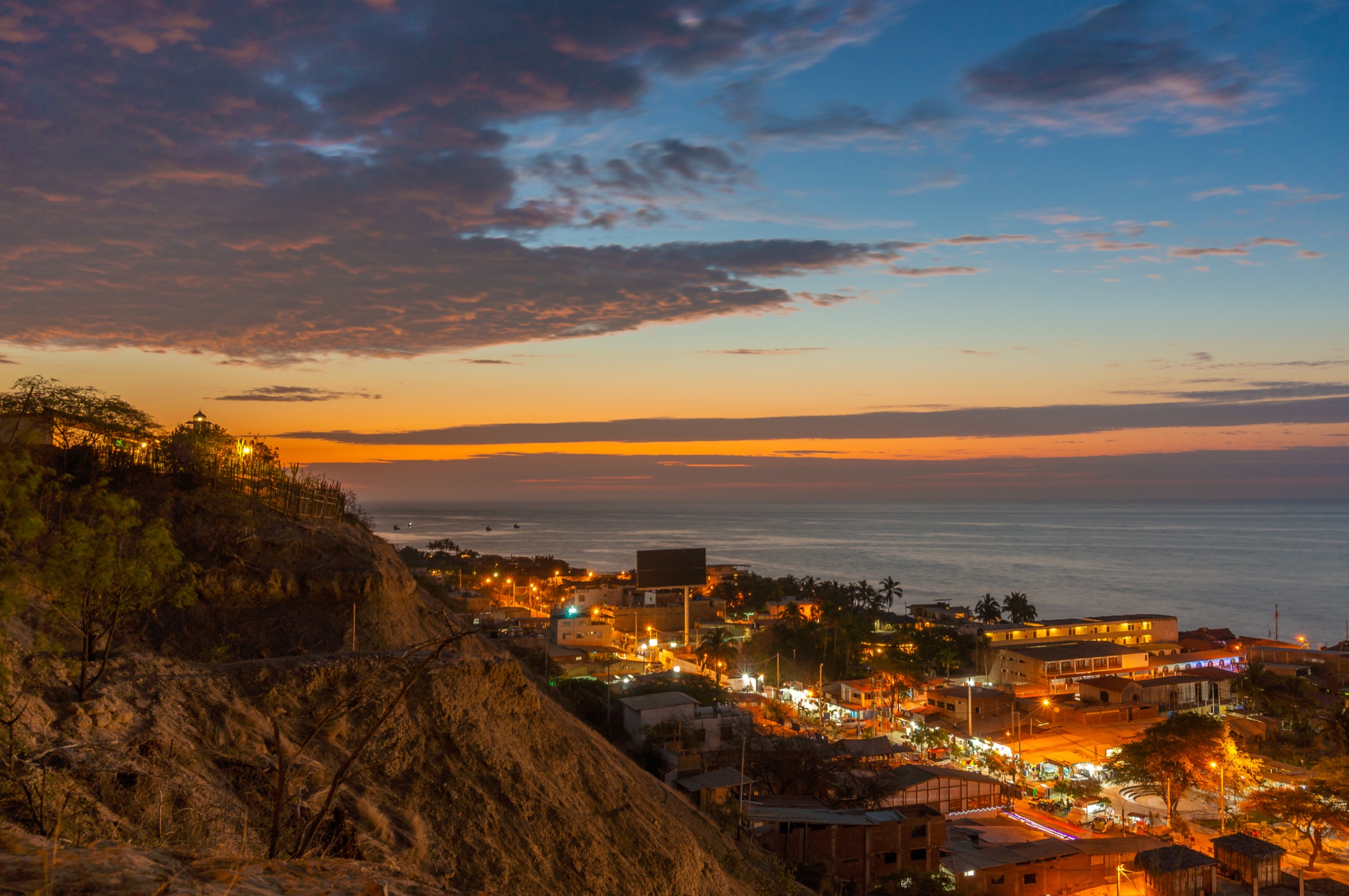
Northern Peru's coast is not a single condition. A hillside lot above Las Pocitas, a beachfront parcel, a dense street in Máncora and open land farther inland experience wind, runoff, salt and access differently. The first design work is observation: sun angles, breeze paths, soil and slope, existing vegetation, neighboring drainage and how people move through the site.
A field guide cannot replace an architect, structural engineer, soil study or municipal review. It can help an owner ask better questions early, when the answers still have the power to change the plan.
Four systems to resolve together
Shade, airflow, water and materials are often discussed separately, but the best solutions overlap. A deep roof can shade glass and create an outdoor room while directing water to a planned outlet. A planted edge can reduce glare and dust while preserving ventilation. A service zone can protect equipment from salt exposure and remain accessible for maintenance.
- Shade: prioritize external protection before interior blinds or heavier cooling.
- Airflow: give occupied rooms both an inlet and an outlet; protect privacy without sealing the plan.
- Water: trace roof and surface runoff all the way to a safe destination.
- Materials: specify fasteners, finishes and details for coastal exposure and local repair capacity.
Design for extremes as well as averages
Long dry periods can make drainage feel theoretical—until a strong rain event arrives. El Niño conditions can materially change rainfall and coastal weather in Piura. Current alerts and seasonal information should be checked through SENAMHI and ENFEN, while the design response should come from qualified local professionals who understand the site.
Resilience is rarely a single elevated platform or oversized drain. It is a chain of decisions with no weak link: finished floor levels, retaining and slope strategy, roof collection, overflow routes, electrical placement, access during rain and a landscape that does not redirect water toward the building next door.
Local knowledge is part of the specification
A detail that cannot be built or maintained reliably is not a durable detail. Builders and craftspeople on the coast know which components fail first, which materials are available without long delays and how dust, salt and seasonal moisture affect everyday work.
That knowledge deserves credit, compensation and a place in design review. Climate-responsive architecture is strongest when formal expertise and practical local experience meet before construction—not only when a problem appears on site.
Sources and further reading
Primary and official pages used to ground this field note: