Whale Watching from Máncora and Los Órganos
How to choose a formal operator, plan the transfer and watch humpbacks without turning wildlife into a guaranteed attraction.
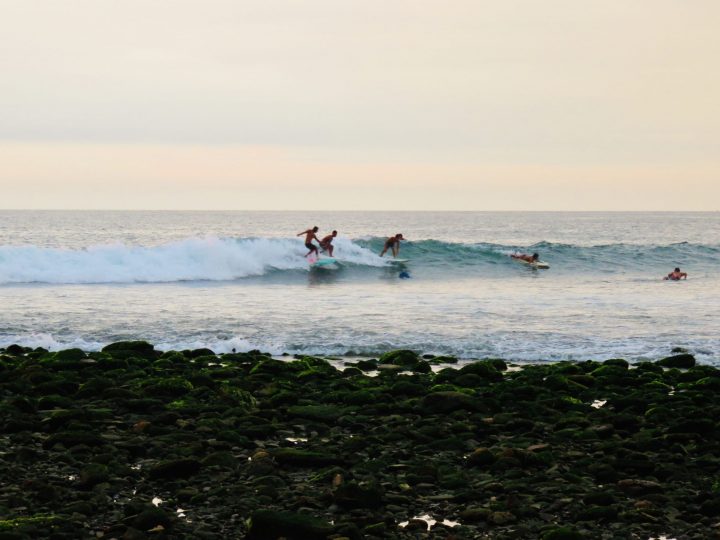
Los Órganos, south of Máncora
Generally July through October; verify the current season
A formal operator, safety briefing and respectful observation
Wildlife sightings and sea conditions are never guaranteed
01
Start with the real season and the real departure point
Humpback whales migrate through northern Peru during a seasonal window commonly promoted from July into October. In 2026, MINCETUR opened the national season in Los Órganos, the working coastal town south of Máncora where formal excursions commonly depart. The dates describe a migration pattern, not a promise that a whale will appear on command.
Ask an operator whether departures are currently running, what recent conditions have been and where check-in actually occurs. If you are staying in central Máncora or Las Pocitas, arrange the road transfer before paying for the boat. A very early meeting time can change the practical value of a cheaper room or tour.
02
Choose the operator by its answers, not its closest photos
Peruvian authorities recommend formal tourism operators and respectful distance from whales. Ask who authorizes the maritime service, what vessel is used, whether every passenger has an appropriate life jacket and who makes the cancellation decision. The clearest safety answer is more valuable than a dramatic social-media reel.
The operator should describe observation practices before departure: approach speed, distance, the number of vessels permitted near an animal and what the crew does when a whale changes direction. Avoid anyone who sells touching, chasing or a guaranteed close encounter. The animal determines the distance; the boat does not earn a better experience by crowding it.
- Confirm the company name, meeting point, vessel type and total time on the water.
- Ask whether life jackets are fitted before departure and whether shade is available.
- Request the cancellation and rescheduling policy in writing.
- Verify what is included: transfer, port fees, water, photographs or a marine guide.
- Choose a formal boat service; regional authorities specifically warn against unauthorized craft.
03
Expect a boat trip through a living marine corridor
A whale-watching departure is not only the moment a humpback breaches. Time on the water may include searching, interpreting distant blows, watching seabirds and learning how fishing activity, currents and protected areas shape this coast. A knowledgeable guide should help passengers understand behavior without making every movement sound extraordinary.
Sea comfort varies. Eat lightly, follow medical advice you have already received for motion sickness and tell the crew about mobility needs before booking. Bring secure sun protection, a light layer, water and a strap for any camera. Keep both hands available while boarding and follow the crew rather than positioning yourself for a photograph.
04
The best encounter leaves the animal in control
Distance is not a disappointment; it is part of responsible wildlife observation. Keep voices and movement moderate, never throw food or objects and do not pressure the crew to move closer. If several vessels are present, the most responsible decision may be to wait or leave rather than add another boat to the animal's path.
After the trip, evaluate the operator on safety, interpretation and respect—not on whether a whale performed for the camera. Share accurate details in a review so the next traveler can recognize good practice. Tourism has more local value when formal guides, crews and coastal businesses are rewarded for protecting the reason people came.
05
Frequently asked questions
When is whale-watching season near Máncora?
The promoted humpback season is generally July through October. Confirm the current operating season and sea conditions directly with a formal Los Órganos operator.
Do whale-watching boats leave from Máncora?
Many formal excursions use Los Órganos as the departure point. Confirm the exact port and whether transportation from Máncora or Las Pocitas is included.
Are whale sightings guaranteed?
No. Humpbacks are wild animals, and both sightings and departures depend on natural conditions. Ask how the operator handles cancellations and no-sighting trips.
What should you bring on the boat?
Bring secure sun protection, water, a light layer and a camera strap. Follow the operator's specific guidance and disclose mobility needs before paying.
Sources and current checks
Official and primary pages used to ground this guide. Always use their current information for a real travel decision.