The Máncora Surf Guide
How to choose a lesson, read the day and surf the northern coast with more awareness and less guesswork.
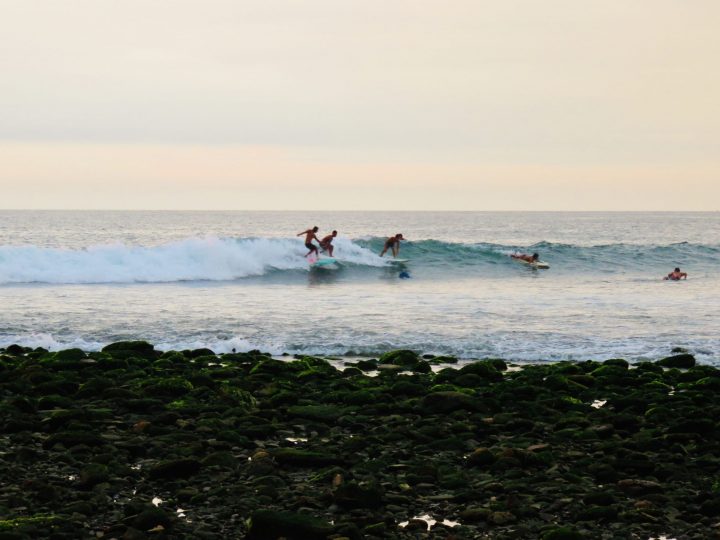
Lessons, warm-water sessions and a wider coast of breaks
Use an instructor and the break they select for that day
Ask locally about swell, wind, tide and crowd
Reef awareness, sun protection and lineup etiquette
01
Make the first session an information-gathering session
Even if you surf regularly, begin by watching. Notice where people enter, where the current moves, which peaks are crowded and how the wave changes across the tide. The main Máncora area can look approachable from shore while still containing rock, current and a busy mix of abilities.
A local instructor or guide should explain why a particular break fits the day—not simply promise the most famous name. Be honest about your ability, including the time since your last session. Warm water reduces one barrier, but it does not reduce the need for fitness, judgment or respect for other surfers.
02
A good surf lesson starts before the board touches water
Ask how many students share an instructor, where the lesson will take place and whether the plan changes with conditions. The briefing should cover the board, leash, safe falling, signals, right of way and the boundaries of the lesson area. Children and anxious swimmers need an explicitly age- and confidence-appropriate plan.
The cheapest lesson is not automatically a bargain if the group is large or the instruction begins only after entering the break. Look for clear equipment, a visible meeting point and an instructor who is comfortable cancelling or moving the lesson when conditions are wrong.
- Confirm the student-to-instructor ratio.
- Ask which conditions would cause a change or cancellation.
- Inspect the leash and board before entering.
- Discuss swimming ability, injuries and comfort honestly.
03
Máncora is a base for a coast of breaks
Experienced surfers often use Máncora as a practical base while watching conditions across the northern coast. Los Órganos, Cabo Blanco and Lobitos each have their own geography, exposure, access and local community. A break’s reputation is not a promise that it suits your ability on the day you arrive.
If traveling to a less familiar break, hire knowledgeable local guidance, ask about access and bring what you need without treating the place as empty. Respect fishing activity, private land, residents and the surfers who use the break every week.
04
Good etiquette is part of the surf forecast
Do not paddle straight to the deepest position because you have the best board or the shortest vacation. Wait, observe the rotation and communicate. Avoid dropping in, ditching your board or paddling into someone’s line. If you make a mistake, apologize plainly and change the behavior.
Sun exposure is intense even on hazy days. Use reef-conscious sun protection, hydrate before the session and cover cuts promptly. Check current ocean and weather information locally; no written guide can tell you whether a specific paddle-out is safe this morning.
05
Frequently asked questions
Is Máncora good for beginner surfers?
It can be, when a qualified local instructor chooses a suitable part of the break for the day’s conditions. Beginners should not infer safety from warm water or other people being in the ocean.
Do you need a wetsuit to surf in Máncora?
Water comfort varies by season, weather and the individual. Ask a local shop what surfers are using that week rather than relying on an annual average.
Can experienced surfers reach other breaks from Máncora?
Yes. The wider northern coast includes Los Órganos, Cabo Blanco, Lobitos and other breaks, but suitability and access depend on actual conditions and local guidance.
Sources and current checks
Official and primary pages used to ground this guide. Always use their current information for a real travel decision.