Máncora with Children: A Practical Family Guide
Choose the right base, build shade and transport into the day, and make ocean decisions from current conditions rather than a hotel photo.
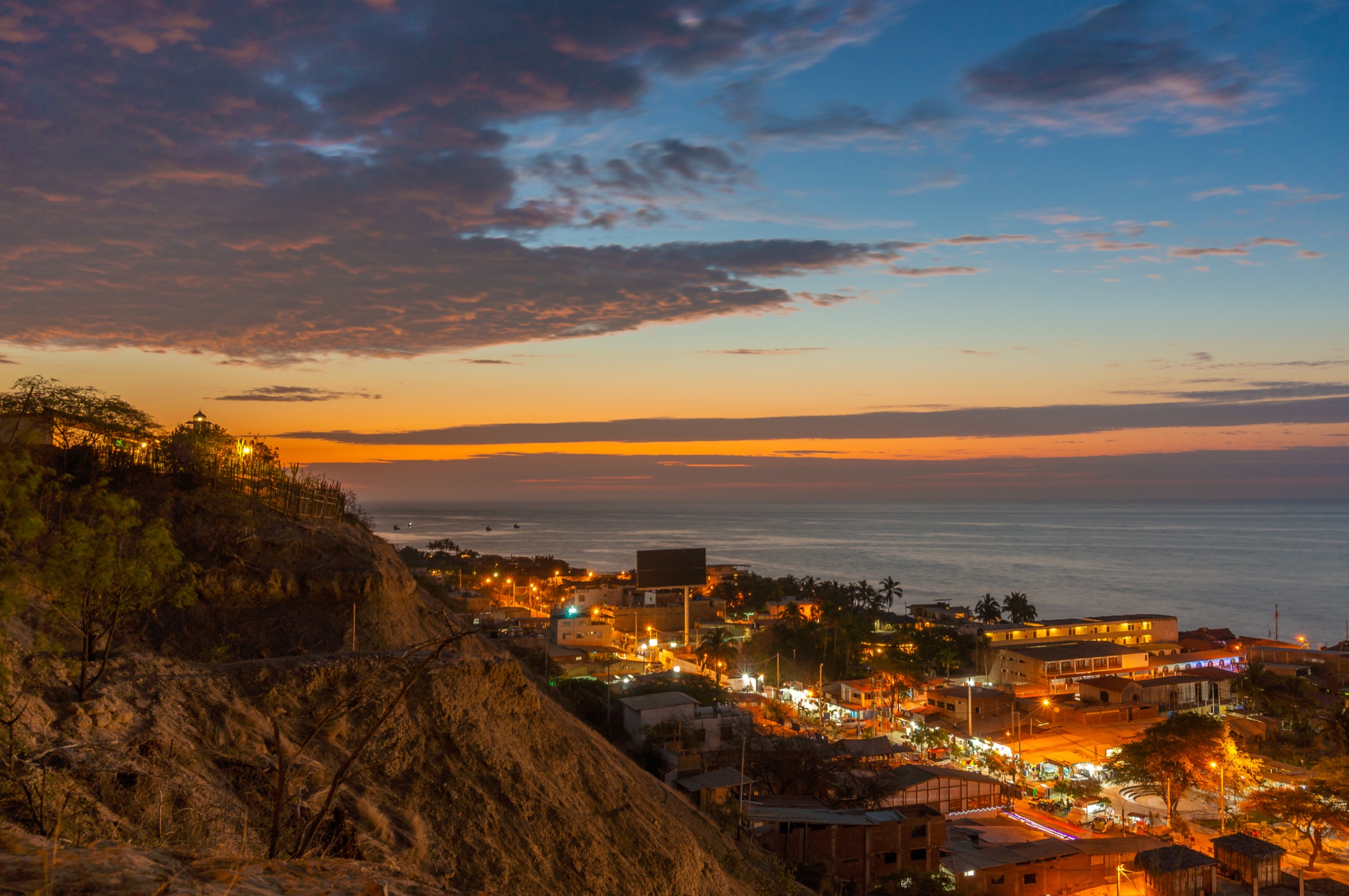
The one that minimizes your family's hardest daily transition
Shade, supervised water time, meals and reliable rides
Current beach conditions and official sanitary status
At least one half-day for weather, rest or a changed ocean plan
01
Choose a base for the routine, not only the beach view
Central Máncora can simplify a family trip because restaurants, pharmacies, shops and surf operators are closer together. It is also busier and can be noisier. Las Pocitas offers a quieter setting and many properties designed around staying in, but most errands and dinners may require a ride. Vichayito can feel spacious and slow, while Los Órganos offers a local-town rhythm near marine excursions.
Ask the property the questions that determine an ordinary day: Are there stairs between the room and beach? Is the pool physically separated for young children? Can a crib or extra bed be confirmed in writing? Is drinking water available? How late does the kitchen serve? What happens during a power interruption? Is road noise audible in the exact room category? Precise answers are more useful than a generic 'family friendly' label.
- For toddlers, count stairs, unguarded edges and the distance to meals.
- For school-age children, ask about shade, pool rules and realistic beginner activities.
- For teenagers, compare walkability and independence with the quieter-property tradeoff.
- For multigenerational trips, confirm surfaces, railings, bathroom access and transport boarding.
02
Build each day around heat, shade and one main activity
The most reliable family itinerary uses the cooler morning for movement, the middle of the day for food and shade, and the late afternoon for a second short outing. Choose one main activity: a properly supervised surf lesson, a formal wildlife excursion in season, a visit to another coastal town or a long beach morning. More reservations create more transitions, not necessarily more value.
Keep a refillable water routine and a small day bag with sun protection, secure footwear, a dry layer and any family essentials that are difficult to replace. Coastal wind can hide how strong the sun feels. If a child is tired, overheated or uneasy about the ocean, changing the plan is the correct use of the itinerary—not a failure to complete it.
03
Make water decisions from today's conditions
Warm air, clear water or other swimmers do not establish that a beach is appropriate for a child. Ask a qualified local operator or lifeguard about the specific area and current conditions. Maintain direct adult supervision at the beach and pool, and use properly fitted safety equipment for any boat activity. A surf lesson should be selected for the child's comfort and ability, not simply the closest break.
Peru's Ministry of Health provides a current beach-sanitation service covering microbiological quality, cleanliness and sanitary facilities. Check the latest result for the district rather than relying on an old article or a blue-sky photograph. Sanitary status and ocean conditions are different checks; one does not replace the other.
04
Solve transport, food and the backup plan before they become emergencies
Arrange the airport or bus transfer with the accommodation or a clearly identified provider, and discuss child restraints before travel rather than assuming availability. For short coastal rides, confirm the vehicle type and pickup point. If your family requires a particular restraint or accessible setup, bring or reserve it explicitly and verify the answer again before arrival.
For meals, carry a familiar snack and ask about kitchen hours, allergy handling and how food is prepared; never assume a menu icon is a medical guarantee. Save the location of the nearest appropriate clinic or pharmacy and confirm what your travel insurance requires before care. These are planning steps, not predictions that something will go wrong.
- Keep the accommodation name, address and phone number available offline.
- Choose a fixed family meeting point in any busy market or town area.
- Confirm a return ride before a late meal outside central Máncora.
- Leave one half-day unscheduled for rest, rain or a changed ocean plan.
05
Frequently asked questions
Is Máncora good for a family vacation?
It can be, especially when the base, transport and daily pace match the children's ages. Families should make beach and activity decisions from current local conditions.
Is central Máncora or Las Pocitas better with children?
Central Máncora is easier for walking to food and services but is busier. Las Pocitas is quieter and more stay-centered but usually requires more rides. Choose the tradeoff that removes your family's hardest transition.
Can children learn to surf in Máncora?
A qualified local instructor can assess age, comfort, ability and the day's conditions. Book the instructor and suitability assessment, not a promise tied to one fixed break.
How can families check whether a beach is healthy?
Use Peru's current Verano Saludable service from the Ministry of Health, then separately ask about that day's ocean and lifeguard conditions.
Sources and current checks
Official and primary pages used to ground this guide. Always use their current information for a real travel decision.